About Services Pricing Process Service Areas FAQ Get an Assessment
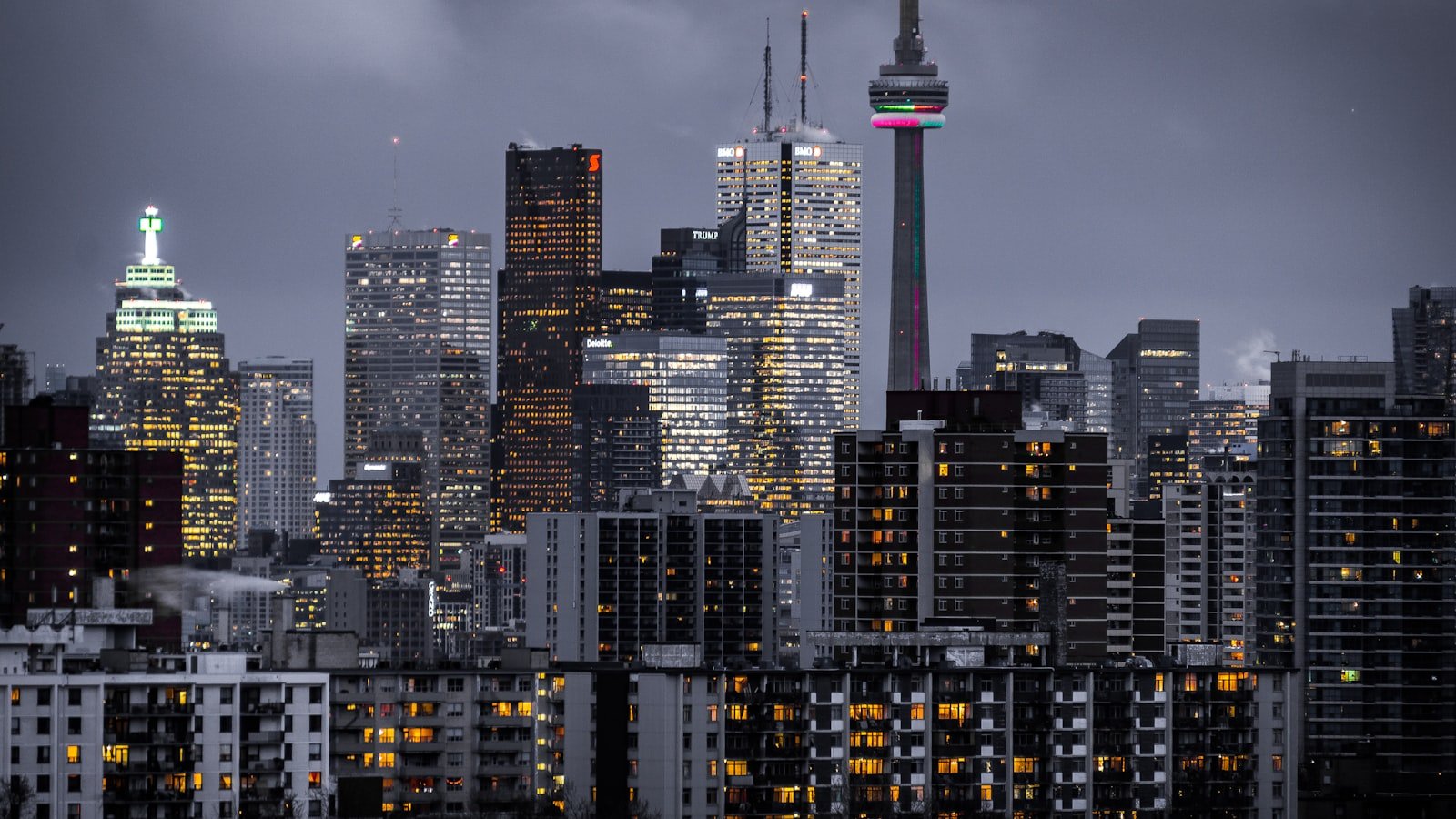
Toronto financial district skyline at dusk with the CN Tower and downtown condo towers
Toronto & GTA Income Property Specialists

Build Real Wealth in Toronto Real Estate — With a Strategy Built for Today's Market, Not Yesterday's Hype

Toronto's investment landscape has changed. We help investors across the Greater Toronto Area find, analyze, finance, and manage residential investment property with a process built around the numbers — not the noise. Every deal starts with a written analysis, not a sales pitch.

Written cap-rate & cash-flow analysis before you make an offer
Full land-transfer-tax & closing-cost breakdown, up front
Rent-control & tenancy status confirmed in writing
Documented due-diligence checklist before every closing
2026 rent guideline 2.1%GTA condo benchmark ~10% YoY correctionToronto MLTT applies on top of provincial LTTNRST 25% + MNRST 10% for foreign buyersVacant Home Tax 3% of CVA for 2026Rent-control line Nov 15, 2018 2026 rent guideline 2.1%GTA condo benchmark ~10% YoY correctionToronto MLTT applies on top of provincial LTTNRST 25% + MNRST 10% for foreign buyersVacant Home Tax 3% of CVA for 2026Rent-control line Nov 15, 2018
About Us

One focus: building and protecting wealth through GTA income property

Toronto Real Estate Investing focuses on one thing: helping people build and protect wealth through residential investment property in the Greater Toronto Area. Investment real estate is not the same as buying a home to live in. The math is different, the financing is different, the tax exposure is different, and the regulations that govern landlords and buyers in Toronto are among the most complex in the country. Treating an income property like a personal purchase is how investors lose money. Specialization is how they avoid it.

Our work spans the full investment cycle — acquisition analysis, financing strategy, due diligence, closing, and ongoing portfolio review. We work with first-time investors buying their first condo to rent out, experienced landlords expanding a multi-property portfolio, and out-of-province and newcomer buyers who need a local team that understands Toronto's specific rules. Years of hands-on work across the GTA mean we have seen how deals succeed and how they fail, and we bring that experience to every analysis we run.

We are deliberately Toronto-focused. The GTA is not one market — it is dozens of micro-markets, each with its own rent levels, vacancy patterns, condo-fee trends, and appreciation drivers. A downtown one-bedroom, a Scarborough basement-suite duplex, and an Etobicoke purpose-built rental are three completely different investments. Local depth is what lets us tell you which of them fits your capital, your risk tolerance, and your timeline.

36
GTA neighbourhoods & municipalities covered
2 days
Typical turnaround on a written property analysis
Full cycle
Acquisition to portfolio review
Numbers-first
We walk you away from a bad deal
Why Investors Work With Us

Trust built on what we do on every file — not slogans

Every reason below is a process commitment, something you can hold us to on each engagement.

We specialize in investment property

Income property is the only thing we focus on. Every recommendation is filtered through return on investment, cash flow, and risk — not square footage or finishes. We read a property the way a lender and an accountant do, because that is what protects your capital.

Every deal begins with a written analysis

Before you make an offer, you receive a written breakdown: projected rent, vacancy assumptions, condo fees, property tax, insurance, financing costs, and the resulting cap rate and monthly cash flow. If the numbers do not work, we tell you — even when that means walking away from a deal.

We model the full tax and closing-cost picture

Toronto buyers pay both provincial and municipal land transfer tax, and that is just the start. We calculate your complete closing cost exposure up front so there are no surprises at the lawyer's office, and we flag taxes that apply specifically to investors and non-resident buyers.

We confirm the rules that govern your income

Whether a unit is subject to rent control, what the current rent increase guideline allows, and what tenancy obligations come with an occupied property — these factors directly determine your returns. We confirm them in writing for every property, citing the actual legislation and current values.

Building stock and condo realities are part of the analysis

Toronto's aging condo towers carry rising maintenance fees and looming special-assessment risk. Older freehold stock brings knob-and-tube wiring, asbestos, and foundation issues common to homes built before modern codes. We factor the real condition of GTA building stock into every projection rather than assuming a clean slate.

A documented process from first call to portfolio review

Every step is written down and shared with you: the analysis, the due-diligence checklist, the closing-cost ledger, and an annual portfolio review. All project documentation is available to you on request. Trust is built on what we do on every file, not on slogans.

Investment Services

Support across every GTA residential strategy

Indicative fee and cost ranges below are based on published 2026 Toronto-market pricing and are explained in detail in the pricing summary that follows.

Two people shaking hands across a desk during an advisory meeting

Acquisition & Buyer Representation

End-to-end representation for investors buying income property — sourcing, analysis, offer strategy, and closing coordination. We screen listings against your return targets so you only spend time on properties that pencil out.

Indicative: buyer-side commission customarily paid from the listing brokerage's offered co-operating commission, typically 2.0%–2.5% of purchase price in the GTA.
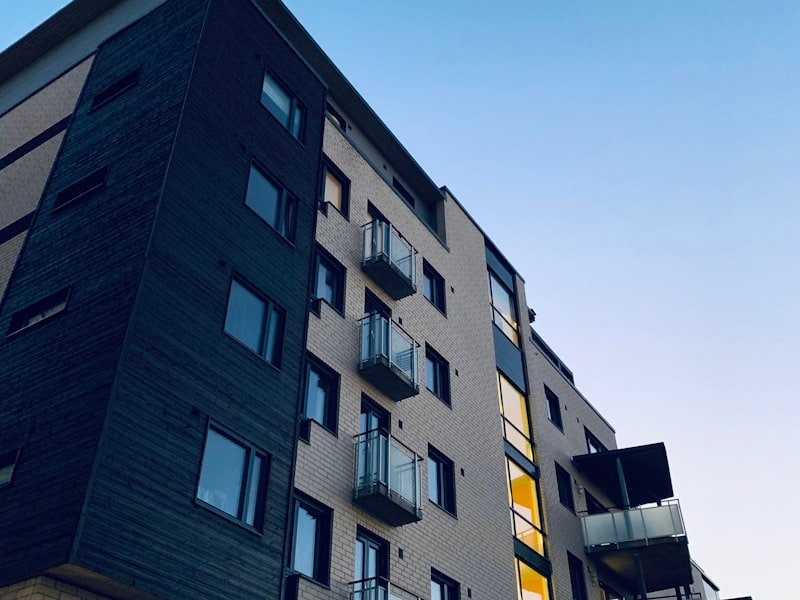
Modern multi-storey condominium building against a clear sky

Condo Investment Analysis

Toronto's condo market is in a deep, multi-year correction, which creates both risk and opportunity. We analyze unit-level economics — rent, condo fees, reserve-fund health, and special-assessment exposure — to separate genuine value from value traps.

Indicative: included within buyer representation; standalone single-unit analysis $300–$750 based on published advisory pricing.
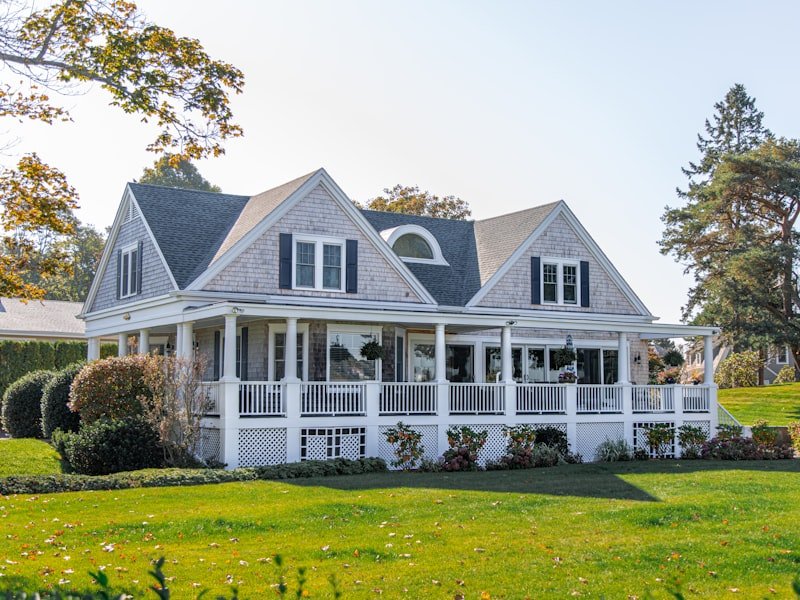
Multi-unit residential house with covered porch

Multi-Unit & Secondary Suites

Two-to-six-unit residential properties and legal secondary suites can deliver stronger cash flow than a single condo. We assess legal-use status, fire-code and zoning compliance, and per-unit income potential.

Indicative: included within representation; specialized compliance review $500–$1,500 where a third-party inspection or status review is commissioned.
Glass condominium towers under a clear sky

Pre-Construction & Assignment Evaluation

Pre-construction and assignment deals carry distinct risks in a falling market, including closing-gap and financing risk. We model occupancy costs, deposit structure, and resale/assignment realities before you commit.

Indicative: advisory review $400–$1,000 per project based on published market pricing.
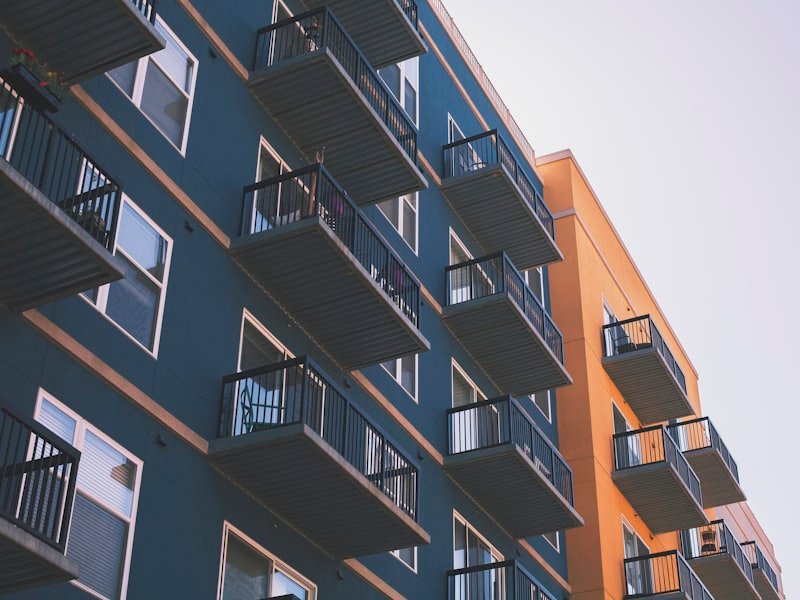
Apartment building with rows of balconies

Rental Strategy & Rent-Control Positioning

Whether a unit is rent-controlled materially changes its long-term return. We identify rent-control status, model achievable rents, and build a tenancy strategy that fits the current Residential Tenancies Act framework.

Indicative: included within representation; standalone rental-positioning report $250–$600.
Investor reviewing financial documents and a laptop at a desk

Portfolio Review & Refinance Analysis

For existing owners, we review portfolio performance, identify underperforming assets, and model refinance or equity-release scenarios to fund the next acquisition.

Indicative: $500–$1,500 depending on portfolio size, based on published advisory pricing.
Person signing documents with a pen at a desk

Out-of-Province & Newcomer Support

Buyers from outside Ontario and newcomers to Canada face additional rules and taxes. We provide local representation, tax exposure modelling, and coordination with lawyers and lenders.

Indicative: included within representation; additional coordination $300–$900 where extended remote due diligence is required.
Model house with a magnifying glass resting on architectural blueprints

Management & Tenant Placement

We help investors set up reliable management and place qualified tenants, including lease preparation aligned with the standard Ontario lease and current notice requirements.

Indicative: tenant placement customarily roughly half-to-one month's rent; ongoing management commonly 8%–12% of monthly rent in the GTA market.
Indicative Pricing

Transparent ranges, benchmarked to the market

The ranges below are indicative and based on published 2026 Toronto-market pricing for comparable advisory and brokerage services. They are provided for planning only. Your actual price is the figure stated in your written engagement agreement.

Indicative pricing summary

Service / StrategyIndicative RangeBasis
Buyer representation (investment purchase)≈2.0%–2.5%*Co-op commission norm
Standalone condo investment analysis$300 – $750Published advisory pricing
Multi-unit / suite compliance review$500 – $1,500Published advisory pricing
Pre-construction / assignment review$400 – $1,000Published advisory pricing
Rental-positioning report$250 – $600Published advisory pricing
Portfolio review & refinance analysis$500 – $1,500Published advisory pricing
Tenant placement≈0.5–1.0 month rentGTA market norm
Ongoing property management≈8% – 12% of rentGTA market norm

*Buyer-side commission is customarily paid from the listing brokerage's offered co-operating commission; arrangements vary and are confirmed in writing before engagement.

Pricing disclaimer

Many factors move the real cost of an investment engagement and the all-in cost of acquiring a property: purchase price, property type and complexity, the level of due diligence required, third-party fees (legal, inspection, status certificate, appraisal), and the specific taxes that apply to your situation. The ranges describe the market; they are not an offer to contract. Your price is the written figure in your engagement agreement, and your all-in purchase cost is confirmed on your lawyer's closing ledger.

What these ranges exclude

  • Provincial and municipal land transfer taxes and any applicable non-resident surtaxes — paid at cost
  • Legal fees, title insurance, appraisal, home inspection, and status-certificate review — paid at cost
  • HST where applicable (for example, on certain new-construction purchases and on professional fees)
  • Mortgage financing costs, lender fees, and mortgage default insurance where applicable
  • Unforeseen conditions revealed during due diligence (special assessments, code deficiencies, latent defects)

Indicative pricing is not an offer to contract.

Every engagement is priced in writing after we understand your goals, your property type, and the due diligence required. There are no surprise fees — the number you agree to is the number you pay.

Common Problems We Solve

The mistakes that cost Toronto investors the most

Each of these is a real situation tied to a current Toronto rule, tax, or market condition — and each is avoidable with the right analysis first.

Value vs. trap

"The condo I want looks cheap — is it a deal or a trap?"

GTA condo-apartment prices have fallen sharply through the current correction, with benchmark resale condo values down roughly 10% year-over-year in early 2026 and analysts pointing to a long, slow bottom. A low price can signal genuine value or a building with reserve-fund problems and looming special assessments. We read the status certificate and reserve study so you know which one you are looking at.

Cash flow

"My condo investment is cash-flow negative every month"

Research from CIBC and Urbanation found that a large majority of recent Toronto condo investors were losing money on a cash-flow basis, with meaningful average monthly shortfalls. We model carrying costs honestly before you buy and review existing holdings to identify whether to hold, refinance, or exit.

Closing costs

"I didn't budget for the land transfer taxes"

Toronto buyers pay both the Ontario provincial land transfer tax and the Toronto Municipal Land Transfer Tax — effectively two land transfer taxes on the same purchase. For investors this is a major closing cost that cannot be added to the mortgage. We calculate it before you make an offer.

Tenancy

"I inherited a tenant I didn't understand"

An occupied property comes with the existing tenancy, the existing rent, and rent-control limits if the unit was first occupied on or before November 15, 2018. The 2026 provincial rent increase guideline is 2.1%. Buying without understanding the tenancy can lock you into below-market rent for years. We confirm tenancy and rent-control status in writing first.

Foreign buyers

"The taxes nearly doubled my entry cost"

Non-resident buyers face Ontario's 25% Non-Resident Speculation Tax plus Toronto's 10% Municipal Non-Resident Speculation Tax, layered on top of both land transfer taxes. We map the full exposure — and any rebate paths — before a non-resident client commits capital.

Vacant Home Tax

"I left a unit empty and got hit with the Vacant Home Tax"

Toronto's Vacant Home Tax applies to residential properties left unoccupied for six months or more in a calendar year, and the rate rose to 3% of the property's Current Value Assessment for the 2026 tax year. Every Toronto owner must self-declare occupancy annually. We build holding and tenancy plans that keep investors onside.

Due-Diligence Checklist

The standard we work to — and the questions to ask anyone

Educational, not adversarial. Use this whether you work with us or not — a good advisor should pass every line on both sides.

The standard we work to

On every acquisition

  • A written cash-flow and cap-rate analysis completed before any offer is drafted
  • Full closing-cost ledger including both land transfer taxes and all applicable surtaxes
  • Rent-control and tenancy status confirmed against the November 15, 2018 threshold and current guideline
  • Status certificate and reserve-fund review for every condo, with special-assessment risk flagged
  • Legal-use and fire-code confirmation for any multi-unit or secondary-suite property
  • Vacancy and rent assumptions benchmarked to the specific neighbourhood, not a city-wide average

Questions to ask before you sign

Of any advisor or agent

  • Will you give me a written investment analysis before I make an offer — and walk me away from a bad deal?
  • Have you calculated both my provincial and municipal land transfer tax, plus any surtax I may owe?
  • Is this unit rent-controlled, and what does the current guideline let me do with the rent?
  • Have you reviewed the condo's reserve fund and recent meeting minutes for special-assessment risk?
  • If this is a secondary suite, is it a legal unit under current zoning and fire-code rules?
  • What is my realistic vacancy assumption for this specific building and neighbourhood?
How It Works

A documented process, start to finish

Six steps, each with a commitment we control — response times, quote timelines, and written confirmations.

01

Discovery call

We start with a conversation about your capital, goals, risk tolerance, and timeline. Call (613) 324-9141 or submit the contact form and we respond within one business day.

02

Strategy and budget

We define the right strategy — condo, multi-unit, secondary suite, or pre-construction — and build your full budget, including a complete closing-cost and land-transfer-tax estimate, so you know your real buying power.

03

Sourcing and screening

We screen the market against your return targets and present only properties that fit. You never waste time on listings that fail the numbers.

04

Written investment analysis

For each shortlisted property you receive a written analysis — projected rent, vacancy, expenses, cap rate, and monthly cash flow — delivered before any offer, typically within two business days of your request.

05

Due diligence and closing

We complete the due-diligence checklist, confirm tenancy and rent-control status in writing, coordinate with your lawyer and lender, and shepherd the transaction to a clean close.

06

Portfolio review

After closing, we stay engaged with an annual portfolio review to track performance, flag refinance opportunities, and plan your next acquisition. All documentation remains available to you on request.

Service Areas

Where we work across the Greater Toronto Area

We focus exclusively on Ontario's GTA. Within the City of Toronto and surrounding municipalities, we work across the neighbourhoods and communities below — each with its own rent levels, tenant profile, and appreciation drivers.

Downtown Core
Yonge & Bloor
The Annex
Liberty Village
King West
Distillery District
Leslieville
Riverdale
The Beaches
Danforth / Greektown
Yonge & Eglinton
Midtown
Davisville
St. Clair West
High Park
Roncesvalles
Junction
Bloor West Village
North York Centre
Willowdale
Don Mills
Scarborough City Centre
Agincourt
Etobicoke (Islington)
Mimico
Long Branch
East York
Leaside
Markham
Richmond Hill
Vaughan
Mississauga
Brampton
Oakville
Pickering
Ajax

Buying outside the City of Toronto boundary changes your tax picture — the Municipal Land Transfer Tax applies only inside the City of Toronto, not in surrounding municipalities such as Mississauga, Markham, Vaughan, or Brampton. We factor this into every cross-municipal comparison.

Local Knowledge Guide

The Toronto rules that decide your return

Real regulations, current values, and how each one moves the math on a GTA investment property.

Land transfer taxes — you pay twice in Toronto

Buyers inside the City of Toronto pay the Ontario provincial Land Transfer Tax and the Toronto Municipal Land Transfer Tax (MLTT), levied under the City of Toronto Act, 2006 and Toronto Municipal Code Chapter 760. The MLTT has applied to all Toronto property purchases since February 1, 2008. On December 17, 2025, City Council passed graduated MLTT rates for high-value homes containing one or two single-family residences, effective April 1, 2026. The City boundary runs from Steeles Avenue south to Lake Ontario, and from Etobicoke across to Scarborough — purchases in surrounding GTA municipalities pay only the provincial tax.

Foreign-buyer taxes — provincial and municipal

Ontario's Non-Resident Speculation Tax (NRST) applies at 25% of the purchase price to residential property bought anywhere in Ontario by foreign nationals, foreign corporations, or taxable trustees. Within the City of Toronto, a Municipal Non-Resident Speculation Tax (MNRST) of 10% applies on top, effective January 1, 2025, in addition to the MLTT. Rebates may apply where a foreign national becomes a permanent resident within four years; applications must be received within 90 days of becoming a permanent resident. These rules reshape who can profitably invest in the downtown condo market.

Vacant Home Tax — empty units are penalized

Toronto's Vacant Home Tax targets residential properties left unoccupied for six months or more in a calendar year. For the 2026 tax year the rate is 3% of the property's Current Value Assessment, as determined by the Municipal Property Assessment Corporation (MPAC). Every Toronto residential owner must self-declare occupancy each year, even owner-occupiers. A unit with a tenant on a lease of at least 30 days is generally not considered vacant — a key reason investors keep units tenanted.

Rent control and the November 15, 2018 line

Under the Residential Tenancies Act, 2006, the annual rent increase guideline applies to units first occupied for residential purposes on or before November 15, 2018. Units first occupied after that date are exempt from the guideline, so the landlord may raise rent by any amount with proper notice. The 2026 guideline is 2.1% — the lowest in four years, down from 2.5% in 2025 — and is capped by statute at 2.5%. Even in exempt units, rent may rise only once every 12 months with at least 90 days' written notice on the correct Landlord and Tenant Board form. Whether a unit sits on the controlled or exempt side of that date is one of the single biggest factors in its long-term return.

Bill 60 and the changing tenancy landscape

Bill 60, the Fighting Delays, Building Faster Act, 2025, was passed on November 24, 2025 and amended the Residential Tenancies Act through Schedule 12. Among its changes, fixed-term leases no longer automatically convert to month-to-month, eviction timelines for unpaid rent were shortened, and appeal windows were compressed. For investors, this shifts some flexibility toward landlords while raising the importance of getting tenancy paperwork right from day one. We build tenancy strategy around the current framework.

Property tax and condo economics

Toronto's residential property tax is calculated on MPAC's assessed value multiplied by the Council-approved city rate, the City Building Fund levy, and the provincial education rate — an effective residential rate in the order of 0.63% of assessed value, among the lowest in the GTA. Low property tax is one of Toronto's structural advantages for investors. On the condo side, however, monthly maintenance fees and reserve-fund adequacy are decisive: a building with an underfunded reserve can hit owners with special assessments that erase years of cash flow. We weigh both sides in every projection.

What Investors Say

Outcomes from the numbers-first approach

They ran the numbers on a condo I was sure about and showed me it was cash-flow negative once the real condo fees were in. They saved me from a bad buy and found me a better one a month later.

— Investor, Liberty Village

I came in from out of province and had no idea Toronto charged two land transfer taxes. Having the full closing-cost breakdown before I made an offer was the difference between a plan and a panic.

— Out-of-Province Investor, North York

The written analysis on every property is what won me over. No pressure, just the math. When a deal didn't work, they told me straight.

— Multi-Property Owner, Scarborough

They flagged a special-assessment risk in the reserve fund that two other agents never mentioned. That one review paid for itself many times over.

— Condo Investor, Yonge & Eglinton

Understanding the rent-control status before buying changed my whole strategy. I bought a newer unit and the flexibility on rent made the returns work.

— Landlord, Etobicoke

As a newcomer to Canada, the foreign-buyer tax rules were overwhelming. They mapped out exactly what I'd owe and what rebates I might qualify for.

— Newcomer Investor, Markham

Their annual portfolio review caught an underperforming unit I should have refinanced a year earlier. Now it funds my next purchase.

— Portfolio Investor, Riverdale
FAQ

Questions Toronto investors ask us

Is 2026 a good time to invest in Toronto real estate?+
It depends on the strategy. The GTA condo market is in a deep, multi-year correction, with benchmark resale condo prices down roughly 10% year-over-year in early 2026 and analysts expecting a slow bottom rather than a quick rebound. For long-term investors, lower prices and improved affordability can be an entry point; for short-term flippers, the risk is high. We model your specific numbers so the decision rests on cash flow and your timeline, not market sentiment.
How much are land transfer taxes for an investor in Toronto?+
Inside the City of Toronto you pay both the Ontario provincial Land Transfer Tax and the Toronto Municipal Land Transfer Tax — effectively two land transfer taxes on the same purchase, each calculated on a marginal-rate scale. Buying in a surrounding GTA municipality such as Mississauga or Markham means only the provincial tax applies. We calculate the exact figure before you make an offer.
Do foreign buyers pay extra tax on Toronto investment property?+
Yes. Ontario's Non-Resident Speculation Tax is 25% of the purchase price province-wide, and within the City of Toronto a Municipal Non-Resident Speculation Tax of 10% applies on top, both in addition to the land transfer taxes. Rebates may be available if a foreign national becomes a permanent resident within four years, with applications due within 90 days of obtaining permanent residency.
What is the rent increase limit in Ontario for 2026?+
The 2026 provincial rent increase guideline is 2.1%, the lowest in four years and down from 2.5% in 2025. It applies to units first occupied for residential purposes on or before November 15, 2018. Units first occupied after that date are exempt from the guideline, and the landlord may raise rent by any amount with proper notice — once every 12 months and with at least 90 days' written notice.
Why does the November 15, 2018 date matter so much?+
It is the rent-control dividing line under the Residential Tenancies Act, 2006. A unit first occupied on or before that date is subject to the annual guideline; a unit first occupied after it is exempt and can be raised to market rent (with proper notice, once a year). For an investor, an exempt unit offers more pricing flexibility, which is why the date is one of the first things we confirm.
What is the Vacant Home Tax and how do I avoid it?+
Toronto's Vacant Home Tax applies to residential properties left unoccupied for six months or more in a year, at a rate of 3% of the property's Current Value Assessment for the 2026 tax year. Every Toronto owner must self-declare occupancy annually. A property tenanted under a lease of at least 30 days is generally not considered vacant, which is one reason investors keep units occupied.
Should I buy a condo or a multi-unit property?+
Condos are easier to manage and finance but often carry negative cash flow at today's prices and fees, and they expose you to reserve-fund and special-assessment risk. Multi-unit properties and legal secondary suites can generate stronger cash flow but require legal-use, zoning, and fire-code compliance. We compare both against your capital and risk tolerance with a written analysis.
What closing costs should I budget beyond the purchase price?+
Plan for both land transfer taxes, legal fees, title insurance, appraisal, home inspection, and — for condos — a status-certificate review. HST may apply on certain new-construction purchases and on professional fees. None of these can be added to your mortgage, so they must be available in cash at closing. We build a full ledger up front.
Can you help me if I already own investment property?+
Yes. Our portfolio review service evaluates the performance of your existing holdings, identifies underperformers, and models refinance or equity-release scenarios to fund your next purchase. We work with both single-property owners and larger portfolios.
Are Toronto condo investors really losing money each month?+
Research from CIBC and Urbanation found that a large majority of recent Toronto condo investors were cash-flow negative, with meaningful average monthly shortfalls. That is precisely why we model carrying costs honestly before you buy, rather than relying on optimistic appreciation assumptions.
How fast can you analyze a property I'm interested in?+
Once you send us a property, we typically return a written investment analysis within two business days, covering projected rent, vacancy, expenses, cap rate, and monthly cash flow. For time-sensitive offers we work to your deadline.
Do you work with first-time investors?+
Absolutely. Many of our clients are buying their first income property. We walk you through strategy, budgeting, taxes, and tenancy rules step by step, and we deliver a written analysis so you can make your first investment with confidence rather than guesswork.
What areas do you cover?+
We focus exclusively on Ontario's Greater Toronto Area — the City of Toronto and surrounding municipalities including North York, Scarborough, Etobicoke, East York, Markham, Richmond Hill, Vaughan, Mississauga, Brampton, Oakville, Pickering, and Ajax. Local depth across these micro-markets is central to how we work.
How do I get started?+
Call (613) 324-9141 or submit our contact form to book a no-cost, no-obligation discovery call. We will discuss your goals and outline a strategy, and you decide whether to move forward — no pressure, just the numbers.
Get Started

Start Building Your Toronto Portfolio — On the Numbers

The Toronto market rewards investors who understand it and punishes those who guess. Whether you are buying your first condo to rent, expanding a multi-property portfolio, or rethinking holdings you already own, we bring the analysis, the tax modelling, and the local knowledge that protect your capital.

(613) 324-9141
Response time
Within one business day to every enquiry
Your analysis
Written, before you ever make an offer
Assessment
No cost, no obligation
Focus
Greater Toronto Area income property

No cost. No obligation. Just the math that tells you whether a Toronto property is worth buying.